
Kopjes, Full of Life
“The park’s many kopjes - weathered granite boulder stacks which trap just enough water to support miniature ecosystems - are natural viewpoints.”
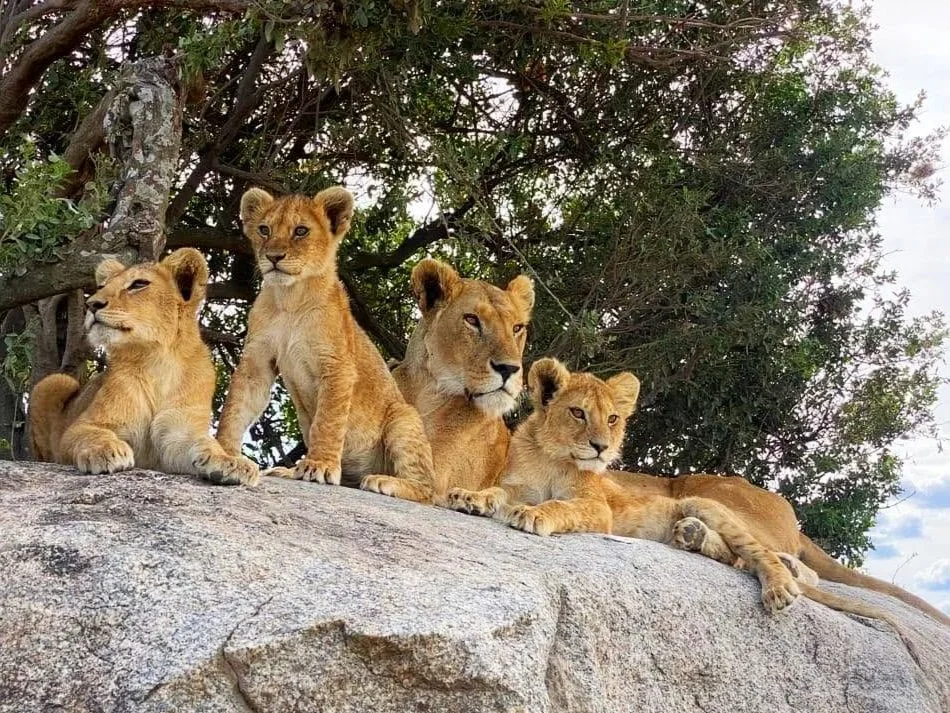
Kopjes are ancient granite rock formations rise dramatically from the savanna like natural islands. The word kopje (pronounced "kah-pee") comes from the Afrikaans word for "little hill."
What Are the Serengeti's Kopjes?
These towering granite formations are among the oldest features in the Serengeti, with some rocks dating back hundreds of millions of years. Unlike the surrounding open plains, kopjes create completely different habitats. Deep cracks collect rainwater, fig trees and shrubs grow between the rocks, and cool shaded crevices provide refuge from the midday heat.
Some rise gently from rolling grasslands, while others form dramatic stacks of balancing boulders sculpted by millions of years of wind and rain. Golden grasses surround the dark granite, umbrella acacias frame the horizon, and expansive views stretch for miles in every direction. At sunrise, the rocks glow warm shades of gold and orange. By late afternoon, long shadows create striking contrasts that photographers dream about, while sunset paints the entire landscape.
The Wildlife That Calls the Kopjes Home
Lions: Perhaps no animal is more closely associated with the kopjes than the African lion (think “Pride Rock” from The Lion King)! The elevated rocks provide perfect vantage points for surveying the surrounding plains, spotting prey, and catching cooling breezes. It's common to find entire prides stretched across the warm granite.
Leopards: While lions prefer the open rocks, leopards often stay hidden among nearby trees and rocky crevices. The kopjes offer ideal cover for these elusive cats, and the surrounding woodlands provide excellent hunting opportunities.
Cheetahs: Open grasslands surrounding the kopjes are ideal hunting grounds for cheetahs. Unlike lions, cheetahs rely on speed rather than strength. They often climb smaller rocks or termite mounds to scan the plains before beginning a chase, making the kopjes excellent locations to observe their remarkable hunting strategy.
Rock Hyrax: Despite looking like an oversized guinea pig, the rock hyrax is one of the elephant's closest living relatives. These social mammals spend much of the day basking on sun-warmed boulders before retreating into narrow cracks when danger approaches. Listen carefully and you may hear their surprisingly loud, whistling calls echoing across the rocks.
Agama Lizards: One of the most colorful residents of the kopjes, male red-headed rock agamas display brilliant blue bodies with vibrant orange or red heads during the breeding season. They can often be seen performing push-up displays.
Rock Monitors: Africa's second-largest lizard often patrols the kopjes searching for insects, eggs, rodents, and small reptiles. Excellent climbers, rock monitors use the crevices and ledges of the granite formations as shelter.
Klipspringers: These small, agile antelope are perfectly adapted to rocky terrain. Standing on specially shaped hooves that act almost like climbing shoes, klipspringers can leap effortlessly from boulder to boulder where few predators can follow.
Mongoose: Several mongoose species, including the banded mongoose and dwarf mongoose, often establish colonies among the rocks. They spend their days foraging for insects, scorpions, and small reptiles.
Verreaux's Eagles: The abundance of hyraxes attracts skilled hunters. Verreaux's eagles occasionally soar above the kopjes searching for hyraxes, while pythons may use the rocky crevices as cool hiding places before ambushing prey.
Bats: As the sun sets, several bat species emerge from deep cracks within the granite. These nocturnal insect hunters play an important role in controlling mosquito and insect populations around the kopjes.
Geckos: As evening falls, Tropical House Geckos and tiny Dwarf Day Geckos can be found among the Serengeti's kopjes. Perfectly camouflaged against the granite, these agile climbers use specialized toe pads to cling to rock faces.
Colorful Birds: The rocky outcrops are also favorite perches for many birds. Keep an eye out for:
Mocking cliff chats
Familiar chats
Speckle-fronted weavers
Nubian woodpeckers
Augur buzzards
Peregrine falcons
White-necked ravens
Experience Kopjes from Moyo Camp Warangi
Located in the heart of the Seronera Valley, Moyo Camp Warangi places guests within one of the Serengeti's richest wildlife regions, where kopjes, river systems, and open plains all come together.
Moyo's experienced local guides know which kopjes are active with wildlife and rather than following fixed routes, they tailor each game drive based on recent sightings. Because Warangi sits in the heart of Central Serengeti, it's easy to combine a kopjes safari with river habitats, open grasslands, and acacia woodlands - all in a single game drive.
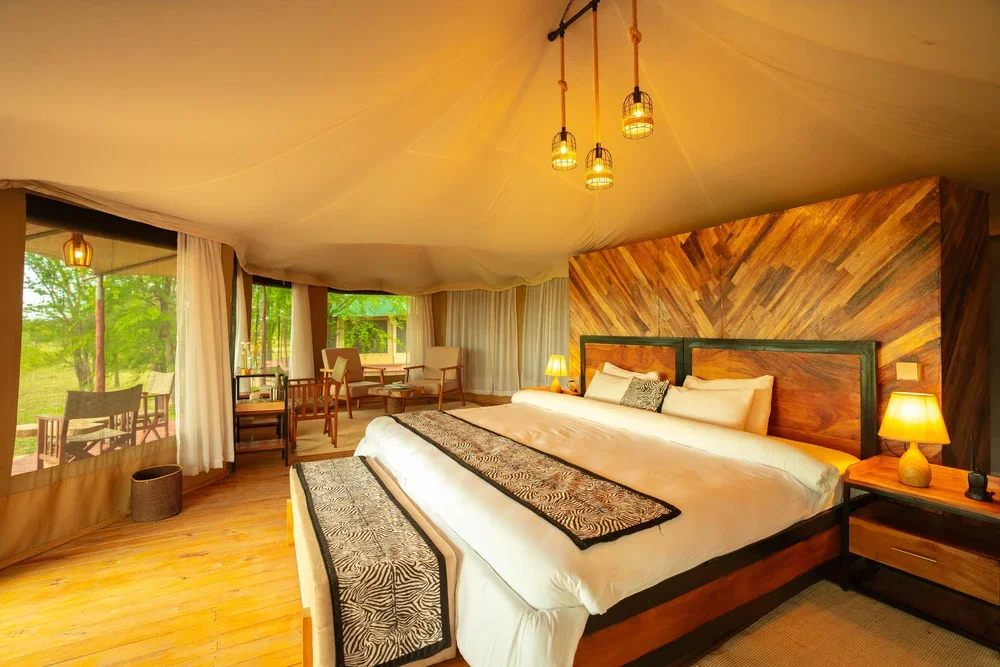
After a day exploring the wildlife-rich kopjes, guests can return to spacious luxury tents with private verandas, enjoy chef-prepared meals and a full-service bar, unwind with an outdoor spa treatment, and take advantage of thoughtful comforts like complimentary Wi-Fi and 24-hour solar-powered electricity.
Interested in including kopje ecosystems in your safari ?